Registered or Unregistered: Choosing an NDIS Cleaning Provider
Which NDIS plans can choose an unregistered cleaning provider, the protections that still apply, what changed in 2026, and what to ask before your first clean.
At ELM Cleaning, we've been cleaning Melbourne homes since 2011, and we work with NDIS participants who self-manage their plan or use a plan manager. In our experience, many participants and families aren't sure at first which providers they're able to choose, and it's one of the most useful things to get clear before cleaning starts.
The short answer is yes, in most cases. If your plan is self-managed or plan-managed, you can usually choose a registered or an unregistered provider for cleaning. This guide explains how that works, the protections that apply whichever provider you choose, what changed in 2026, and what to ask before your first clean.
What "registered" and "unregistered" mean
An NDIS provider is any person or business that delivers NDIS supports, from sole traders to large organisations. Providers can apply to register with the NDIS Quality and Safeguards Commission (the NDIS Commission), but for most supports they don't have to.
- Registered providers have been through the NDIS Commission's registration process, which includes independent audits.
- Unregistered providers deliver supports without going through that process.
Registration doesn't change what a cleaning visit involves. What matters most day to day is who comes to your home, how well they clean, and how easy the provider is to work with.
Which plans can use an unregistered provider
There are three ways NDIS funding can be managed, and the rule depends on which one applies to the budget you use for cleaning.
- Self-managed. You, your nominee or your representative pay providers and keep the records. You can usually choose registered or unregistered providers.
- Plan-managed. A plan manager pays providers for you. Plan managers must be registered themselves, but you can usually choose registered or unregistered providers for your supports.
- NDIA-managed. The NDIA pays providers directly. This is sometimes called agency-managed, and this funding goes to registered providers.
A few specialised supports can only be delivered by registered providers, whichever way the plan is managed. These include specialist behaviour support and specialist disability accommodation. Everyday household cleaning is not one of them.
One plan can mix management types. The NDIS gives the example of a plan where the capital budget is NDIA-managed while the core budget is self-managed. Cleaning usually comes from your core supports, so that's the budget to check, and your plan manager or my NDIS contact can confirm how it's managed.
Where cleaning fits in an NDIS plan
The NDIS describes Assistance with Daily Life as help "with everyday tasks in your home so you can live as independently as possible", and cleaning is one of the examples it gives. In a cleaning visit, that usually means help with the jobs that keep a home comfortable, such as kitchens, bathrooms and floors.
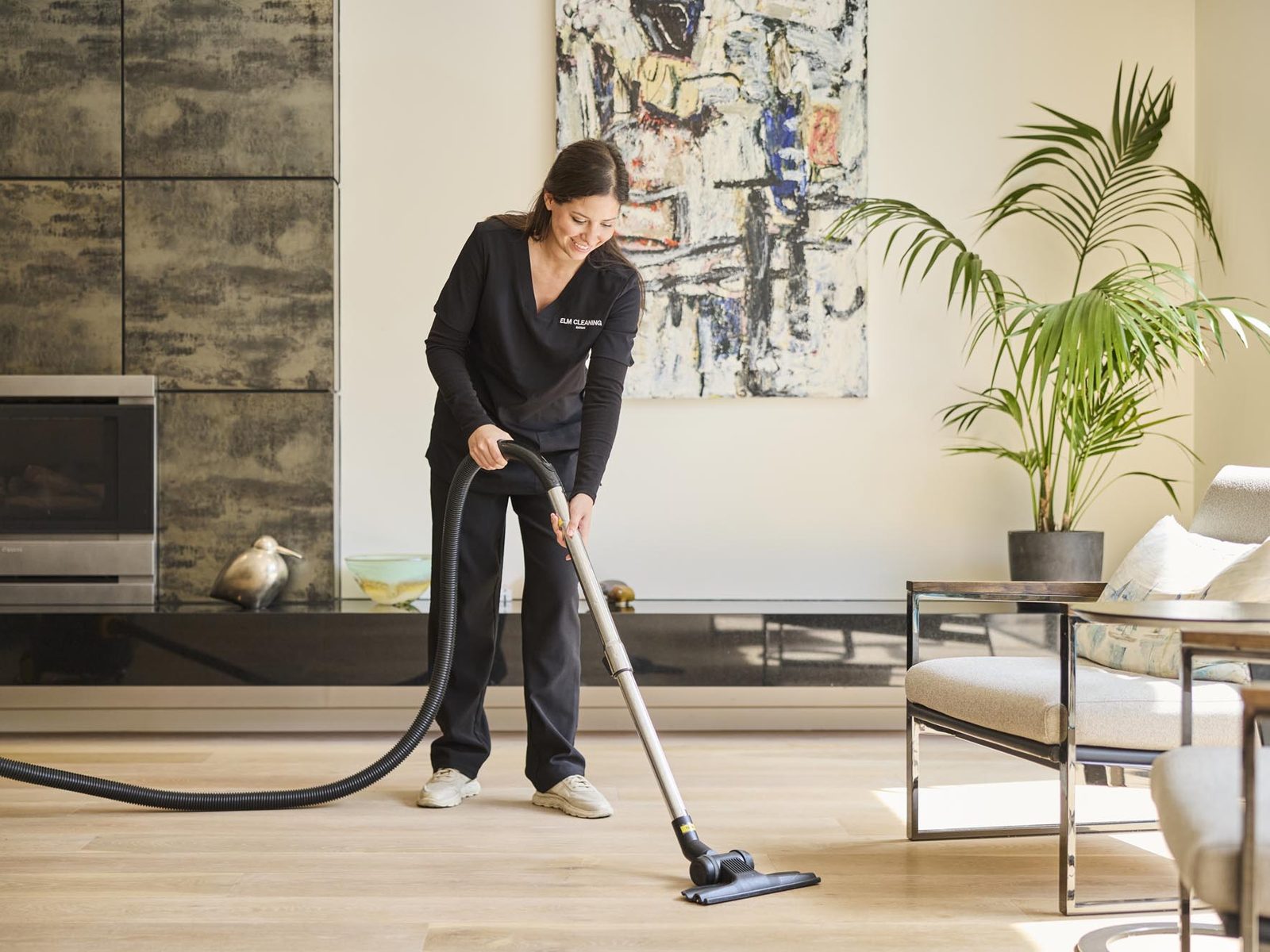
Cleaning visits are usually claimed under the support item called House Cleaning And Other Household Activities (01_020_0120_1_1), which sits under Assistance with Daily Life. Whichever way your plan is managed, the NDIS says funding can only be spent on supports that are in line with your plan. If you're unsure whether regular cleaning fits yours, your plan manager, support coordinator or my NDIS contact is the best person to ask.
The protections that apply to every provider
Whichever provider you choose, these protections stay with you.
- The NDIS Code of Conduct. Every NDIS provider and worker must follow it, registered or not. Among other things, it requires them to respect your right to make your own decisions, respect your privacy, provide supports safely and with care and skill, act with integrity and honesty, and act promptly on concerns about quality and safety.
- A way to raise concerns. You can talk to the provider first. Anyone can also contact the NDIS Commission about NDIS-funded supports, from any provider, on 1800 035 544.
- Consumer law. The Australian Consumer Law applies to every business. You have the right to be treated fairly, to be given accurate information before you buy, and to a remedy if a service goes wrong.
What changed in 2026
The NDIS Commission has started making registration compulsory for some higher-risk services. From 1 July 2026, providers of supported independent living (SIL) and NDIS digital platforms must be registered. Plans to require registration for support coordination have been paused.
Everyday household cleaning is not part of these changes, so self-managed and plan-managed participants can keep choosing the cleaner that suits them. Rules can change, so the NDIS Commission's page on mandatory registration is the place to check for the latest.
This is general information, not advice about your plan. The NDIS explains registered and unregistered providers, how to find and choose a provider, your plan management options, Assistance with Daily Life and service agreements. The NDIS Commission publishes the NDIS Code of Conduct.
What to ask any cleaner before you start
These questions help you find someone who suits your home and the way you like things done.
- Which plan types do you work with? So you know straight away that they can work with your plan.
- How do you invoice? If you use a plan manager, the provider should invoice them directly. If you self-manage, you'll need invoices you can use to claim.
- Will we have a service agreement? The NDIS recommends one with every new provider. A good agreement covers what's included, the cost, how the provider is paid, the cancellation policy, and what to do if you're unhappy.
- Who will come to my home? Ask whether cleaners are employed directly or through subcontractors, whether they're police-checked, and how their work is checked.
- What happens if I need to change a visit or something isn't right? Ask how far ahead you need to tell them and who you'll speak to.
- Can you check your products with me first? This matters if anyone in the home has allergies or sensitivities.
How it works with ELM
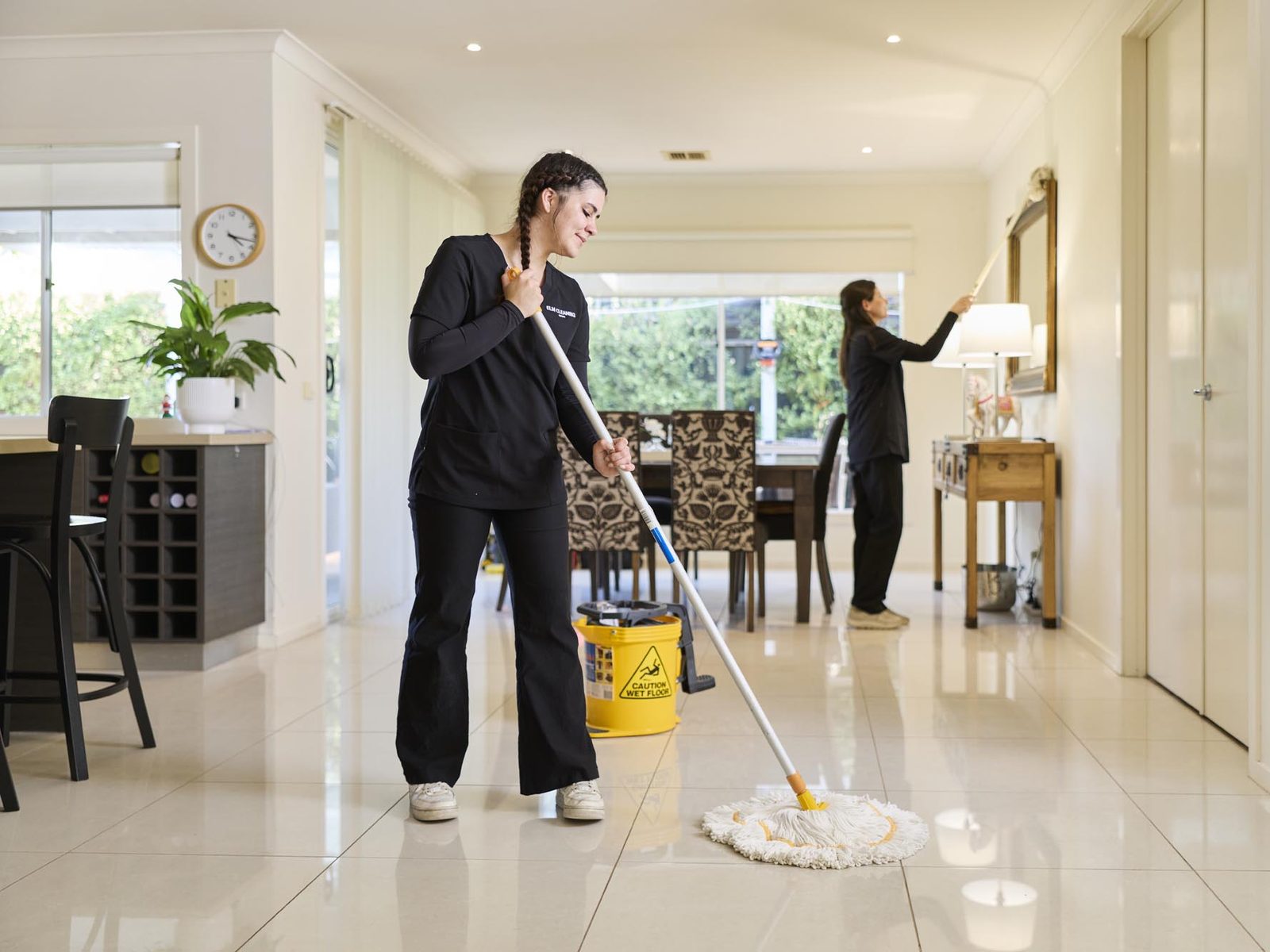
We work with NDIS participants across Melbourne whose plans are self-managed or plan-managed, and we take care of the paperwork side so the focus can stay on your home.

- Invoicing. With a plan manager, we invoice them after each visit. If you self-manage, we invoice you and you claim through the NDIS portal. Monthly statements are available on request.
- Before the first visit. We put a service agreement in place that covers what's included, pricing, cancellation terms and how changes are handled.
- Our cleaners. Every cleaner is employed directly by ELM, never subcontracted, and police-checked with checks renewed every year. Supervisors check the work, and our safeguarding page explains how we handle incidents and complaints.
- Your circle of support. With your agreement, a family member or support coordinator can be a contact for changes, invoicing questions and updates. If you're arranging cleaning for someone you love, our guide for families explains how that works.
- Scheduling. Visits can be weekly, fortnightly, three-weekly or monthly, or a one-off clean. We aim for familiar faces wherever we can.
If you're not sure how your plan works yet, that's completely fine. We offer a free plan review where we read your plan with you and explain what may be covered, with no obligation to book. You can request a quote and tell us how your plan is managed, or check the suburbs we cover.
Common questions about choosing an NDIS cleaning provider
Can a plan manager pay an unregistered cleaner?
Usually, yes. Plan managers must be registered themselves, but plan-managed participants can usually choose unregistered providers for supports like cleaning. With ELM, we send the invoice straight to your plan manager after each visit. Our page for coordinators and plan managers explains how referrals work.
What protections do I have with an unregistered provider?
Every NDIS provider must follow the NDIS Code of Conduct, and you can contact the NDIS Commission about any NDIS-funded support. The Australian Consumer Law also applies. Beyond that, ask how a provider employs, checks and supervises the people who come to your home. Our safeguarding page explains how we do it.
Can a family member or support coordinator arrange cleaning for me?
Yes. With your agreement, a family member or support coordinator can set things up and be the contact for changes and invoicing questions. If you're arranging cleaning for someone you support, our guide for families walks through how that works.
Do I need a service agreement for cleaning?
For cleaning it isn't compulsory, as written agreements are only mandatory for specialist disability accommodation. The NDIS still recommends one with every new provider, because it protects you if something goes wrong. We set one up with every participant before the first visit.
What if I don't know how my plan is managed?
Your plan manager or my NDIS contact can confirm how each budget is managed. You can also book our free plan review, where we go through your plan with you and explain what may be covered. Start by telling us a little about your home on our NDIS cleaning page.

How to Clean an Oven Properly, Without Damaging It
Two methods that work, how to clean racks, door glass and seals, and the mistakes that damage ovens, including pyrolytic and catalytic ones.

Cleaning vs Sanitising vs Disinfecting: A Melbourne Guide
A practical guide for Melbourne homes and workplaces explaining cleaning, sanitising, disinfecting, contact time, and when each process is relevant.

Regular vs Deep vs One-Off Cleaning in Melbourne
A practical Melbourne guide to choosing regular, deep, or one-off cleaning based on your home's condition, priorities, and the result you need.